
This post is all about cleaning in a food business
- Do follow a cleaning schedule: What is a cleaning schedule??? Many times I’m given a checklist which is a completely different thing. The cleaning schedule is tailored to your food business and the equipment you use. It states what is cleaned, when, who by, what with (including contact times for disinfectants) and how. Make sure that all surfaces, equipment, utensils, and areas that come into contact with food in food preparation and storage area are listed, with a frequency that is appropriate to the level of use i.e. after use, daily, weekly, monthly, quarterly etc.
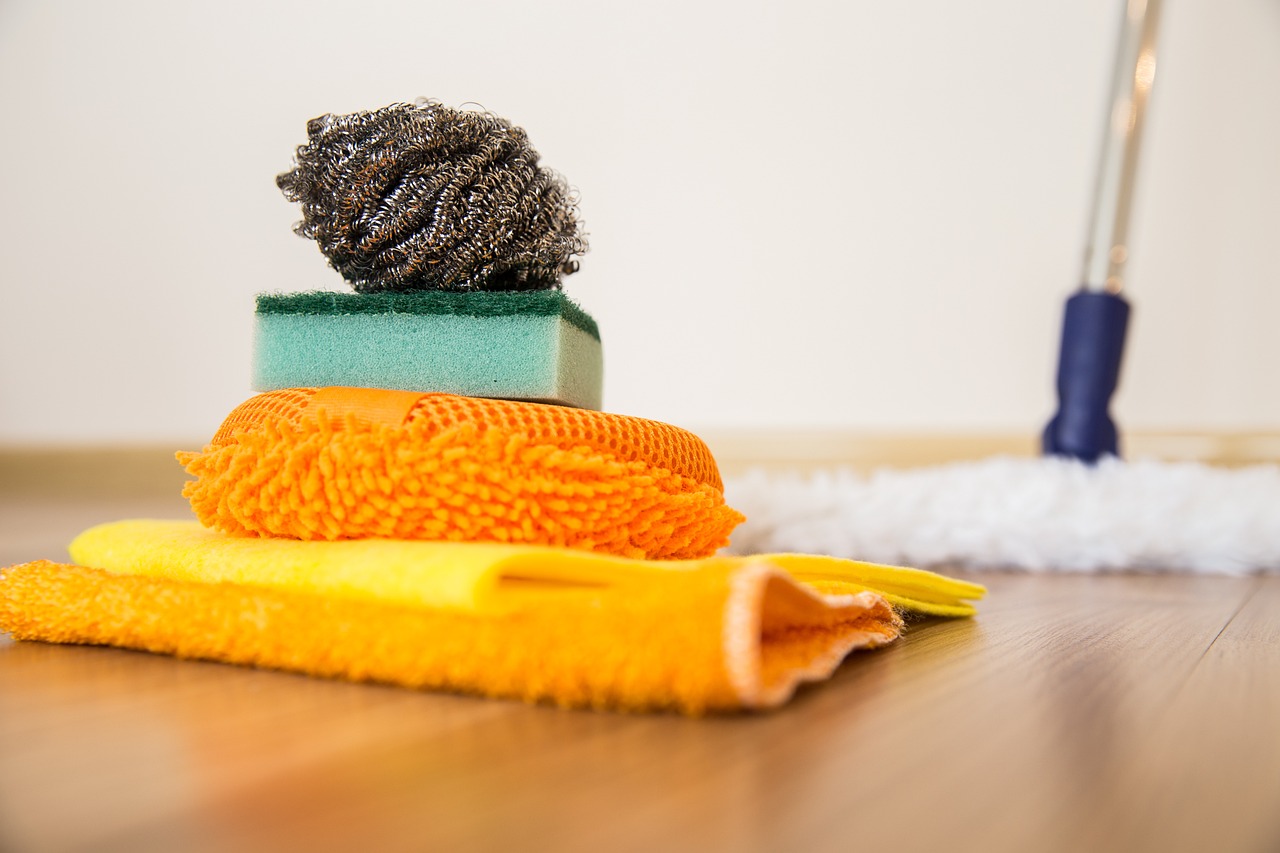
- Don’t use dirty cleaning tools: Make sure that cleaning equipment is cleaned after use and kept in a clean area. Do not use dirty sponges, cloths, or mops to clean, as this can spread bacteria and other pathogens. Don’t leave cloths soaking in disinfectant as this will become ineffective when contaminated with dirt or debris. I call this bacteria soup!!! Change cloths daily, after a session, or use disposable paper roll. Clean tools and replace them regularly if they can no longer be cleaned or disinfected properly.
- Do use appropriate cleaning products: Use cleaning products that are appropriate for use in a food business (that don’t smell so could taint food). Disinfectants should have the right cleaning standard, for example EN12176 and EN13697 however you are unlikely to find these on domestic shop bought products. Make sure to follow the manufacturer’s instructions for use (for example, leave for a certain amount of time, and some require rinsing with clean water after use) and storage (some chemicals are only effective for a certain amount of time so do not make up a large batch for later…).
- Don’t neglect hard-to-reach areas: For example corners, behind and under equipment or pipes. These areas can accumulate dirt and debris over time, which can easily harbour bacteria and other pathogens as well as be a food source for pests or rodents. Inside extract ventilation hoods (behind the baffles) and ducting, should be cleaned professionally, as grease needs removing from these (often) hard to reach places to reduce fire risk.
- Do train staff on cleaning procedures: Train all staff on cleaning procedures, cleaning schedules and responsibilities for equipment and structure throughout the food business. No one should ever be bored. There is always something to clean. Remember to provide appropriate personal protective equipment (PPE) such as gloves, goggles or non-slip shoes/boots) and ensure that someone checks that all cleaning tasks are completed on time and properly.
By following these guidelines, your business will be clean, hygienic and safe for customers by reducing the risk of food borne illness, and ensuring you keep your reputation (and a good food hygiene rating)..
And if you want to check how clean your surfaces are you can do this cheaply using swabs. Read more Here
Thank you for reading.
Karen Meadows of Safety in Action Ltd